Instagram Marketing for Businesses: A 30-Day Action Plan
Published:
Last Updated:
Category: Social Media Analytics
Authors: Shusaku Yosa
Published:
Last Updated:
Category: Social Media Analytics
Authors: Shusaku Yosa

Instagram marketing connects useful content with a business action such as a booking, visit or inquiry. Start with a sentence describing who you want to help, what they should understand and what they should do next.
You can establish a plan with zero followers, but no responsible plan guarantees a follower or revenue target in 30 days. Focus first on relevant content and a clear route from interest to action.
Objective | Useful signals | Context to check |
|---|---|---|
Awareness | Reach and viewing activity | Audience relevance and paid distribution |
Consideration | Saves, profile visits and questions | Whether the content explains the offer |
Bookings or inquiries | Link activity, starts and completions | Destination usability and tracking gaps |
Ongoing relationships | Repeat interaction and inquiry themes | Whether the communication remains useful |
Reach describes accounts reached, while viewing measures can include repeated exposure. Interaction counts and interacting accounts are different units. Check current interface definitions and retain the denominator when reporting a rate.
Make the profile explain the audience, offer, location or service area, and next step. Link to the relevant product or booking information. Keep opening hours, prices and booking conditions accurate.
Review the professional dashboard and insights available to your account. Meta provides guidance through its Best Practices section. Labels and availability can vary, so use your current interface rather than relying on an outdated tutorial screenshot.
A fictional cooking school might use three themes: the experience participants can have, answers to beginner concerns, and dates with booking instructions. Choose photos, short video, carousels or Stories according to the message and your production capacity.
For example, video can demonstrate atmosphere and technique, a carousel can explain steps, and Stories can carry timely information. These are editorial choices, not algorithmic guarantees that a format will grow an account.
This plan is for a small class-based business. Adjust the frequency to the time available for production and replies; daily posting is not mandatory.
Days | Activity | Review |
|---|---|---|
1–3 | Define audience, booking objective and owner | Capacity and inquiry handling |
4–7 | Prepare profile, booking page and common questions | Mobile booking journey |
8–10 | Show the experience offered | Interest in the profile |
11–14 | Explain what beginners need and what happens | Saves and unanswered questions |
15–17 |
Use customer photographs and testimonials only with appropriate permission and rights. Do not present invented reviews as evidence. Make required partnership disclosures, assign responsibility for comments and direct messages, and avoid exposing personal information in public replies.
Suppose you record 200 profile visits, 40 link actions and four completed bookings. The stage ratios are 20% and 10%. These are hypothetical figures and may not represent the same people moving through a perfectly tracked funnel: repeat activity, other routes and missing measurement matter.
Few profile visits suggest reviewing content relevance and the invitation to learn more. Few link actions suggest reviewing the profile’s offer. Few completions suggest investigating booking information or usability. Use consistent UTM parameters and reconcile with booking records.
Meta describes ranking as using multiple signals. Do not rely on promises that one hashtag count, posting time or daily schedule guarantees growth. Evaluate reader response and meaningful business actions together.
Use consistent metric definitions and reporting periods when reviewing results. See NeX-Ray’s supported integrations and reporting features, or start for free.
Official references checked September 28, 2026. Interface labels and available features can vary by account and rollout.

A beginner's guide to creating a Facebook business account (business portfolio). From the difference with a Facebook Pag...

A thorough beginner’s guide to using a Facebook Page. From the basics—how it differs from a personal account and the ste...
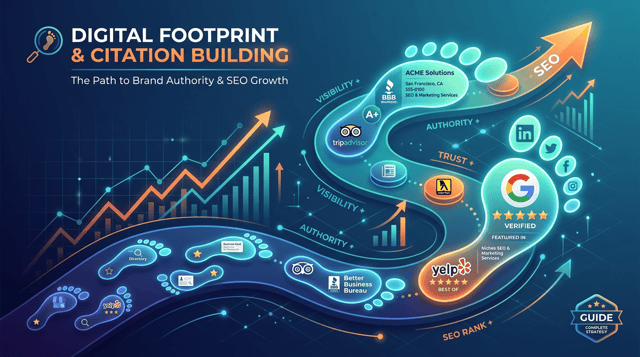
Learn what a citation is, how it affects SEO and MEO, and how to leverage it. Covers NAP consistency, Google Business Pr...
Show a process or instructor explanation
Audience and message fit |
18–21 | Explain dates and booking steps | Link destination and booking starts |
22–24 | Test another answer to a common concern | Results after equal elapsed time |
25–27 | Review booking screens and inquiries | Friction and missed replies |
28–30 | Choose themes to keep and problems to fix | Next month’s owners and review date |


