Thank-You Emails After a Casual Interview | Best Timing and Ready-to-Use Templates
Published:
Last Updated:
Published:
Last Updated:
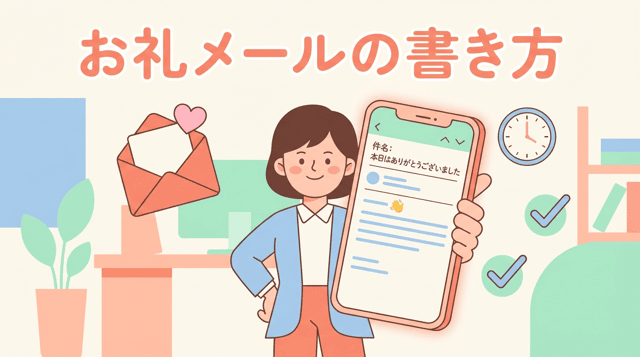
Category: Casual Interviews
Authors: Shusaku Yosa
After a casual interview ends, many people wonder: "Should I send a thank-you email?" "Wouldn't it seem like overkill to send an email when it wasn't even a formal screening?"
The short answer is that a thank-you email after a casual interview will "definitely work in your favor." Even though it's different from a formal screening, expressing gratitude to someone who took time out of their busy schedule is basic professional etiquette, and it leaves a positive impression that stays in their memory if you proceed to the selection process.
In this article, we cover why you should send a thank-you email after a casual interview, the best timing, the basic structure, and ready-to-use templates organized by situation.
Some might think "Since a casual interview isn't a screening, a thank-you email isn't necessary." While it's technically not required, the benefits of sending one are significant, and there's something to lose by not sending one.
Even for a casual interview, the company representative carved out time from their regular duties. Expressing gratitude for that time is a natural professional courtesy. The recipient will think "this is a polite person" and "they have solid business manners." Since casual interviews often serve as the gateway to formal screening, this accumulation of first impressions can absolutely influence later selection decisions.
While casual interviews are about "getting to know each other," companies are also gauging the candidate's enthusiasm. The act of sending a thank-you email itself signals "I'm interested in this company." If you also mention specific points from the meeting that impressed you or express your desire to proceed to formal screening, you can naturally demonstrate your strong interest. Whether you're certain about proceeding or still considering, stating that you're "considering it positively" makes it easier to follow up later.
Surprisingly few people actually send thank-you emails after casual interviews. That's precisely why sending a thoughtful one can set you apart from other candidates. Popular companies conduct casual interviews with many candidates, so whether you leave a lasting impression comes down to small actions like these. A thank-you email takes just a few minutes to write, but the return is substantial.
Timing is just as important as the content of your thank-you email. Send it too late and its impact fades; too quickly and it may seem like a template response.
Sending the thank-you email on the same day as the interview is most effective. Reaching the interviewer while their memory is fresh reinforces the positive impression from the meeting. The ideal window is 2-3 hours after the interview ends. Allow yourself time to reflect on the conversation and craft an email with specific impressions and comments, while ensuring it arrives the same day. For morning interviews, send it that afternoon; for afternoon interviews, send it by evening (ideally by around 8 PM).
If the interview ended late at night or you couldn't send it the same day, send it by the morning of the next business day. Even if two or more days pass and you start second-guessing whether to send it, sending one late is always better than not sending one at all. If it's the next day or later, simply add a line like "I apologize for the delay in sending my thanks" and you'll be fine.
If you draft the email late at night, avoid sending it in the early morning hours. It could create the impression that you're up at unusual hours. Use your email client's scheduled send feature to have it delivered around 8:30-9:00 AM the next morning. Writing it while the content is fresh and just adjusting the send time is the most efficient approach.
The key to a thank-you email is following a standard structure while adding original elements that reference the actual interview. Simply copying a template won't convey sincerity, so understand the basic structure and customize it in your own words.
The subject line should immediately convey the purpose and sender. "Thank you for the casual interview (Your Name)" is the simplest and clearest format. Since interviewers receive many emails daily, a vague subject line risks being deprioritized or overlooked. If you're replying to an existing email thread from the interview scheduling, keeping the same subject line is fine. For new emails, use a clear subject line like the one above.
There are five essential elements to include in a thank-you email body. First, the "recipient and self-introduction" — clearly state the company name, department, interviewer's name, and your own name. Second, "gratitude for the interview" — express thanks for their time. Third, and most importantly, "what impressed you during the interview" — share specific points from the business content, culture, or interviewer's comments that resonated with you in your own words. This eliminates any template feel and conveys sincerity. Fourth, "your future intentions" — if you want to proceed to screening, clearly state so. Finally, wrap up with a "closing greeting." The ideal length is about 10-15 lines — aim for a message that's neither too long nor too short.
There are certain expressions to avoid in casual interview thank-you emails. First, avoid phrases like "just a quick thank-you note" as they come across as careless. Also, overly enthusiastic statements like "I want to join your company" don't match the nature of a casual interview. Since you're still at the pre-screening stage, something like "I would love to proceed to formal screening" is more appropriate. Typos and misspelling the interviewer's name can severely damage your impression, so always double-check before sending. Abbreviating company names is also inappropriate in business emails.
Here are ready-to-use thank-you email templates for different situations after a casual interview. Use these as a base and customize them by incorporating details from your actual conversation.
"Subject: Thank you for the casual interview (Your Name) — Dear Mr./Ms. [Name], [Department], [Company Name] — Thank you for taking the time out of your busy schedule for today's casual interview. I was deeply impressed by the future vision for [specific business area] and the value of [specific value] that your team prioritizes. Your discussion about [specific topic] particularly resonated with me, as I felt there would be many opportunities to apply the skills I've developed through my experience in [your experience area]. My interest in working at your company has grown even stronger. I would very much like to proceed to the formal selection process. I would be grateful if you could share information about the next steps. Thank you again for your time today. I look forward to staying in touch."
"Subject: Thank you for the casual interview (Your Name) — Dear Mr./Ms. [Name], [Department], [Company Name] — Thank you very much for taking time out of your busy schedule for today's casual interview. I found the information about your business and team atmosphere very engaging. The discussion about [specific topic] was particularly valuable as I think through my own career direction. Based on what I learned today, I would like to give it positive consideration. I will follow up with you shortly and would appreciate your patience. Thank you again for this valuable opportunity."
Even if you haven't decided whether to proceed, you should still send a thank-you email. Stating that you're "considering it positively" keeps the door open for smooth follow-up if you decide to apply later.
"Subject: Thank you for the casual interview (Your Name) — Dear Mr./Ms. [Name], [Department], [Company Name] — Thank you very much for the time you dedicated to our casual interview. Through our conversation, I gained a deep understanding of your company's business and culture. While I find your company very attractive, after careful consideration in light of my career plans, I have decided not to proceed to the formal screening at this time. I sincerely apologize for not being able to take advantage of the time you so kindly offered. Should our paths cross again in the future, I would welcome the opportunity to connect. I wish your company continued success."
Even when declining, it's important to communicate politely. Industries are surprisingly small, and there's always a chance you'll cross paths with that company in the future. Leaving on a positive note maintains a relationship that could lead to future opportunities.
"Subject: Thank you for the casual interview (Your Name) — Dear Mr./Ms. [Name], [Department], [Company Name] — Thank you for taking the time for today's online casual interview. Although it was through a screen, I could clearly feel the appeal of your company through your enthusiastic presentation. I found the discussion about [specific topic] particularly interesting and would love to learn more. If possible, I would also welcome the chance to visit your office and experience the team atmosphere firsthand. I would very much like to proceed to the formal screening process and would appreciate information about the next steps. Thank you again for your time today."
For online interviews, acknowledge that it was a "screen-based" interaction, and if possible, express interest in an office visit. This conveys initiative and enthusiasm.
If the casual interview was set up through a recruitment agent, you might be unsure who to send the thank-you to. Generally, sharing your impressions and future intentions with the agent is sufficient, as they'll relay the information to the company. However, if the interviewer gave you their business card or said "feel free to contact me directly," it's perfectly fine to send a thank-you email directly. In that case, share the same information with your agent to prevent any miscommunication.
Beyond simply using a template, keeping these tips in mind will further enhance the effectiveness of your thank-you email.
The most important tip is to reference specific content from the actual conversation. A generic "It was very informative" feels templated and could have been sent to anyone. Instead, write things like "The discussion about international expansion of the XX business was particularly memorable" or "Hearing about the weekly knowledge-sharing sessions made me feel the openness of your team culture." Include details that only someone who was actually there could write. This conveys that you were genuinely listening and understood the content.
Highlighting the connection between what you heard in the interview and your own experience or skills elevates your email from a simple thank-you to a subtle pitch. Something like "After hearing about XX, I felt there would be many opportunities to apply my experience working on XX at my previous company" subtly conveys your strengths. Since it's still the casual interview stage, heavy self-promotion isn't needed, but mentioning relevant connections feels natural and effective.
While you might be tempted to write a lengthy email in an effort to be thorough, conciseness is essential for thank-you emails. Interviewers process large volumes of email daily, and an overly long message might not be read to the end. The ideal length is about 10-15 lines that can be read without scrolling. Focus on your key points and aim for a clean, well-organized message.
Sometimes the interviewer will reply to your thank-you email. Here's how to handle different types of responses.
If the reply includes information about the selection process, respond as quickly as possible. Express your enthusiasm with something like "Thank you for sharing the screening information. I would very much like to apply," then promptly send any required documents or schedule availability. Response speed is itself an evaluation factor in the selection process.
If the reply is a simple "Thank you as well" or "We look forward to seeing you in the screening," there's no need to force continued correspondence. Send a brief response like "Thank you for taking the time to reply. I will reach out again when I'm ready to proceed to screening" and close the thread. Prolonging email exchanges can become burdensome for the other party.
Don't worry if you don't receive a reply to your thank-you email. A thank-you email is essentially a one-way expression of gratitude, and the interviewer is under no obligation to respond. Don't interpret the lack of reply negatively. If you want to proceed to screening, wait about a week and then send a separate message about your application.
Strictly speaking, no. Since casual interviews aren't part of the formal selection process, not sending a thank-you email is unlikely to directly affect your evaluation. However, the positive impact of sending one is significant with virtually no downsides. When in doubt, send it. If a few minutes of effort can leave a positive impression, there's really no reason not to.
If the interview was arranged through chat tools like Slack or LinkedIn, sending your thanks through the same tool is fine. However, if you have their email address or want to make a more polished impression, email is preferable. Even when sending thanks through a chat tool, maintain a professional tone appropriate for business communication. Don't use overly casual language just because the platform feels informal.
If multiple people attended the interview, the efficient approach is to email the main contact (usually the HR person or whoever organized the meeting) and add "Please convey my thanks to Mr./Ms. [Name] as well." If you have everyone's email addresses, sending individually customized emails to each person creates an even more thoughtful impression. However, avoid sending the exact same text to everyone. Just adding one sentence about something specific each person discussed makes a significant difference.
Including 1-2 questions in your thank-you email is perfectly fine and actually demonstrates your strong interest. However, too many questions would deviate from the email's purpose, so limit yourself to about two at most. Frame it naturally, such as "I forgot to ask during our meeting, but could you tell me a bit more about XX?"
Even if several days have passed since the interview, it's better to send a late thank-you than none at all. Simply add "I sincerely apologize for the delay in sending my thanks" at the beginning. If more than a week has passed, it's more natural to frame it as a screening application message and include your gratitude for the interview within that context.
A thank-you email after a casual interview isn't mandatory, but it's an action that reliably leaves a positive impression. It expresses gratitude to someone who took time out of their busy schedule, subtly demonstrates your interest level, and differentiates you from other candidates. All these benefits from just a few minutes of work.
The best timing is the same day as the interview, or by the next business day morning at the latest. Keep the content compact with gratitude, specific impressions from the meeting, and your future intentions. Use templates as a base while incorporating your own words and referencing actual interview content to create a message that conveys genuine sincerity.
A casual interview is the gateway to the formal selection process, and a thank-you email is a small but powerful move to get off to a great start. Use the templates and tips in this article to confidently take action after your next interview.
Find more of our articles on Google
「貴社」(kisha) is the written-language Japanese honorific for another company. Learn the correct reading, common misreading...
A complete guide to preparing for casual interviews in Japan. Covers 5 essential preparation steps, categorized question...

30 essential questions to ask in a casual interview, organized by category. Includes tips on handling company questions,...


