What Is a D2C Brand? Representative Examples and Common Success Patterns
Published:
Last Updated:
Category: Marketing Glossary
Authors: Shusaku Yosa
Published:
Last Updated:
Category: Marketing Glossary
Authors: Shusaku Yosa
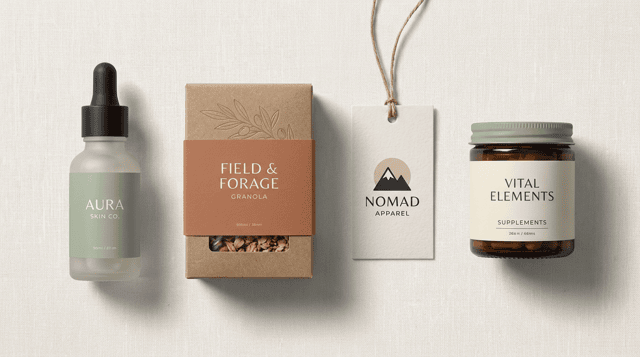
"I want to launch a D2C brand." "I want to know what successful cases have in common." The number of operators thinking this way grows every year. The D2C market keeps expanding, and in Japan it's projected to reach roughly 3 trillion yen in scale by 2026. This article organizes, from a practical standpoint, the basic meaning of a D2C brand, representative examples by industry, and the patterns common to successful brands.
D2C stands for "Direct to Consumer," a business model in which a company sells products it has planned and produced directly to consumers through its own EC site and similar channels, without going through intermediaries such as wholesalers and retailers. A brand that adopts this model is called a "D2C brand."
In the traditional wholesale/retail model, going through intermediaries created distance between the brand and the customer and made it easy to get caught in price competition. With D2C, by contrast, you can not only reduce intermediary costs but also convey the brand's worldview directly to customers and retain purchase data in-house to use for product development and marketing—major attractions. Its essence can be said to lie in "branding × maximizing customer touchpoints."
Behind D2C's spread are the expansion of the EC market and the proliferation of social media. As the internet and smartphones became pervasive, it became easier for companies to launch their own sites and reach consumers directly. Furthermore, with social media you can broadcast your worldview to your target at low cost and deepen relationships while hearing customers' voices directly.
D2C's greatest merit is that connecting directly with customers makes it easy to maximize LTV (customer lifetime value). In the traditional model, retailers held the customer touchpoints, but with D2C you can build in-house the mechanism to grow a customer from a "one-time buyer" into a "fan."
D2C is producing results across a wide range of industries, including apparel, cosmetics, and food. Let's look at representative examples by industry.
Apparel
Cosmetics
Food and beverage
Overseas, too, brands such as Warby Parker—known for letting customers try on glasses at home for five days and for UGC-driven spread—and allbirds, a lifestyle brand championing environmental consideration, have drawn attention as representative D2C success models.
Even when the industry and product differ, successful D2C brands show several common patterns.
On the other hand, D2C has challenges to overcome. Let's note the representative ones.
Conversely, D2C suits products that have a clear USP, allow profitable pricing, and can expect repeat purchases such as consumables or subscriptions. Determining whether your products meet these conditions is the starting point for the entry decision.
A D2C brand is a business model that, by selling directly to consumers without intermediaries, conveys the brand's worldview and maximizes customer touchpoints. What success cases like FABRIC TOKYO, BULK HOMME, and Yona Yona Ale have in common is a clear worldview and target setting, use of social media and UGC, mechanisms that raise LTV, speed in reflecting customer feedback, and a consistent customer experience. Concretely organizing how to translate these common points to your own products and customer base is the first step toward bringing a D2C brand closer to success.

A creative brief tells agencies and production studios your background, objective, and constraints. How it differs from ...
What vendor management means, why a hands-off approach fails, the four areas to manage, five things to settle before eng...

What an RFP is, how it differs from an RFI and a quote request, the 11 sections to include, and how to write one that le...


