Finding Fully Remote Work in Japan: Contracts, Location Rules and Requirements

Published:
Last Updated:
Category: Work Styles, Side Jobs
Authors: Shusaku Yosa
Fully remote describes where work is done, rather than the type of contract. Separate employment vacancies from freelance assignments, then check locations, training attendance, working or response hours, equipment and costs. No-experience-required wording does not remove skill requirements or selection.
Remote allowed can include office attendance, and even a fully remote listing may specify initial training. Compare the label with actual terms. MHLW's telework guidance covers employment locations, time and cost arrangements.
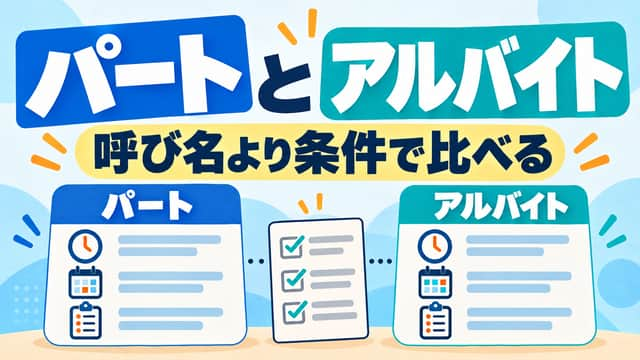
Separate employment and freelance engagements
Compare | Employment | Freelance engagement |
|---|---|---|
Party and terms | Employer; employment conditions | Contracting client; scope and terms |
Time | Working hours, shifts and records | Deadlines, response windows and meetings |
Money | Wages and payday | Contract fees, costs and payment date |
Responsibilities | Assigned duties and scope of changes | Deliverables, quality, revisions and extras |
Regular, fixed-term and part-time positions are employment arrangements. Freelancing should not appear as another employment category. However, a contract called freelance may still involve an employee in substance. Hourly or output-based pay does not decide status: consult MHLW's worker-status guidance.
See Remote Part-Time Employment in Japan: Finding Jobs and Checking Terms (Japanese) for remote part-time employment and JFTC's Freelance Act guidance for covered business engagements. Check renewal, guaranteed assignments and payment conditions rather than assuming stable income.
Narrow candidates by tasks and time requirements
These five categories help you inspect work. They do not mean every category has a fully remote, beginner-accessible vacancy. MHLW's clerical-work overview gives task context.
Candidate | Tasks or output | Skills and setup | Time conditions |
|---|---|---|---|
Data entry | Specified fields and checking | Accuracy, spreadsheets, storage | Deadline, questions and revisions |
Online administration | Documents, scheduling and messages | Office tools and internal procedures | Response windows and meetings |
Customer support | Phone, chat or email replies | FAQ use and a quiet workspace | Fixed shifts and immediate replies |
Production support | Drafts, assets or uploads | Required tools, rights and formats | Review and revision deadlines |
Marketing administration | Reports, post drafts or research | Data definitions and permissions | Approvals, sends and meetings |
Explore duties in Online Assistant Tasks in Japan: Deliverables, Response Times and Scope (Japanese) and marketing checks in Marketing Administrative Work in Japan: Deliverables, Permissions and Remote Assignments (Japanese). For short, interrupted availability, see Choosing Home-Based Side Activities in Japan by Time and Work Arrangement (Japanese).
Fictional example: three fully remote listings
These are invented listings, not current vacancies. A is an employment listing labelled fully remote but requires two initial days of on-site training. B is a deadline-based freelance assignment with a weekday daytime meeting every week. C is remote employment restricted to an approved address in Japan.
Someone unable to attend an office must check A's training; someone available only at night must check B's meeting; someone planning overseas travel must check C's location rule. Ask whether the condition can change or find another candidate. Online delivery does not establish permission to work anywhere at any time.
A checklist from search to contract
- Write your limits: attendance, location, weekly time, fixed windows, equipment and budget.
- Combine filters: fully remote, employment or freelance, duties and required availability.
- Verify the advertiser and contracting party through official company details and contacts.
- Ask about exceptions: training, meetings, equipment collection or return, attendance and overseas work.
- Check duties and locations, scope of changes, duration, renewal, revisions, pay, payment and costs.
- Prepare evidence of required skills, clearly separating practice from paid experience.
A useful question is whether training and meetings require attendance, which locations are approved, and when replies are required. Also check software, communication costs, equipment failure and approved storage. Avoid buying equipment or starting work while essential terms remain unclear.
For employee contract duration, pay and hours, use MHLW's employment-condition guidance. See Starting Home-Based Side Work in Japan: Preparation, First Contract and Review (Japanese) for the first paid assignment and Balancing Remote Employment and Side Work in Japan: Time, Devices and Contract Checks (Japanese) if your main job is already remote.
Common questions
Is a smartphone enough? Applying by phone does not mean the job can be completed on one. Check software, keyboard and display requirements.
Does registration or a course guarantee work? No. Check the duties, costs, service delivered and refund conditions before an expensive support contract. Do not rush borrowing or payment. The Consumer Affairs Agency provides warnings and consultation information.
Does fully remote work have one tax threshold? Location does not determine filing requirements. Salary payers and income classification matter. JPY 200,000 relates to conditions for certain employees' income-tax filing, not a universal exemption. Check NTA No.1900 and its Q&A, and separately ask your municipality about resident-tax filing.
Related guides
- Online Assistant Tasks in Japan: Deliverables, Response Times and Scope (Japanese)
- Choosing Home-Based Side Activities in Japan by Time and Work Arrangement (Japanese)
- Balancing Remote Employment and Side Work in Japan: Time, Devices and Contract Checks (Japanese)
- Starting Home-Based Side Work in Japan: Preparation, First Contract and Review (Japanese)
- Remote Part-Time Employment in Japan: Finding Jobs and Checking Terms (Japanese)
- Home-Based Freelance Roles in Japan: Tasks, Skills and Time Requirements (Japanese)
Sources and further checks
Public information checked on October 5, 2026. These sources concern Japan; verify the conditions that apply to your case.
- MHLW: Guidelines for appropriate telework (Japanese)
- MHLW: Determining worker status (Japanese)
- JFTC: Japan’s Freelance Act (Japanese)
- MHLW job tag: Clerical work (Japanese)
- MHLW: Checking part-time employment conditions (Japanese)
- Consumer Affairs Agency: High-cost side-job schemes (Japanese)
- NTA: When employees must file an income-tax return (Japanese)
- NTA: Employees and small amounts of additional income (Japanese)
The related Otame4 guides linked above are in Japanese.