What Is Temp-to-Perm Staffing? How It Works, Pros & Cons, and Permanent Hire Rates Explained
Published:
Last Updated:
Published:
Last Updated:

Category: Trial Job Change
Authors: Shusaku Yosa
"I've heard of temp-to-perm staffing, but how exactly does it work?" "What's the actual rate of becoming a permanent employee?" — If you're considering a career change, understanding temp-to-perm staffing (Shokai Yotei Haken) is essential. This system allows you to work as a temporary employee for up to six months before potentially transitioning to direct employment with the company.
This article explains the temp-to-perm system in detail — its structure, how it differs from regular staffing and recruitment agencies, the actual permanent hire rate, and a comparison with workplace experience services like Otameshi Tenshoku and Trial Employment.
Temp-to-perm staffing is a system where a staffing agency dispatches a worker to a client company with the explicit premise that direct employment will be considered after the dispatch period (maximum six months). During the dispatch period, the worker is employed by the staffing agency and works at the client company. After the period ends, if both the worker and the company agree, the worker transitions to direct employment with the company.
The key feature is that both parties can assess compatibility before committing to permanent employment. For job seekers, it's an opportunity to experience the actual workplace before making a career decision. For companies, it's a way to evaluate a candidate's skills and cultural fit through real work rather than just interviews.
Regular temporary staffing has no premise of direct employment — workers are dispatched for a set period and the assignment ends when the contract expires. Recruitment agencies, on the other hand, introduce candidates directly to companies from the start, and the candidate is hired immediately upon a successful match. Temp-to-perm sits between these two: it combines the trial period of staffing with the permanent employment goal of recruitment.
According to the MHLW's FY2022 Staffing Business Report, approximately 56% of temp-to-perm workers transitioned to direct employment. While this means a majority do achieve permanent employment, about 4 in 10 do not — either because the company decided not to hire or the worker chose not to continue. It's important to understand that permanent hiring is not guaranteed.
For job seekers, the main benefits include: experiencing the actual workplace before committing, having the staffing agency handle salary negotiations and administrative procedures, and being able to try industries or roles you're unfamiliar with in a lower-risk environment. Drawbacks include: the possibility of not being hired permanently, potentially lower salary during the dispatch period compared to direct hires, and limited positions available compared to regular job listings.
For companies, the benefits are: being able to evaluate candidates through actual work performance rather than interviews alone, and having the staffing agency manage the initial recruitment process. The main drawback is the referral fee (typically 25-30% of annual salary) paid to the staffing agency upon permanent hire.
All three systems share the goal of reducing mismatches between job seekers and employers, but they differ significantly in structure. Temp-to-perm requires leaving your current job and working full-time at the client company for up to six months. Otameshi Tenshoku allows you to keep your current job while experiencing another company's work as a side project. Trial Employment is a government program through Hello Work targeting those facing employment difficulties, with a three-month trial period.
If you want to explore new career possibilities without quitting your current job, Otameshi Tenshoku offers the lowest risk. If you're ready to commit to a transition and want agency support, temp-to-perm provides a structured path. If you meet the eligibility criteria and are currently unemployed, Trial Employment offers government-backed support.
To maximize your chances of permanent hire, treat every day of the dispatch period as a long-form interview. Build strong relationships with colleagues and supervisors, proactively seek feedback, and demonstrate your value through consistent performance. Communicate openly with your staffing agency about any concerns during the dispatch period — they can mediate and advocate on your behalf.
Yes, you can. The transition to permanent employment requires mutual agreement. If you determine the company isn't the right fit during the dispatch period, you have every right to decline.
Common positions include office administration, accounting, IT support, sales, and customer service. While there are fewer listings compared to regular job postings, the positions tend to come with clearer expectations about permanent employment.
Temp-to-perm staffing is a valuable system that lets both job seekers and companies assess compatibility before committing to permanent employment. With a roughly 56% permanent hire rate, it offers a real pathway to stable employment while reducing the risk of post-hire mismatches.
However, it's not the only option for experiencing a workplace before committing. Otameshi Tenshoku allows you to keep your current job while trying out new roles as a side project — ideal for those who want the lowest possible risk. Whatever method you choose, the key insight is the same: experiencing the real workplace before making your decision dramatically reduces the chance of career regret.
Find more of our articles on Google

The first decision when introducing a trial day placement in Japan is whether participants perform actual work or simply...
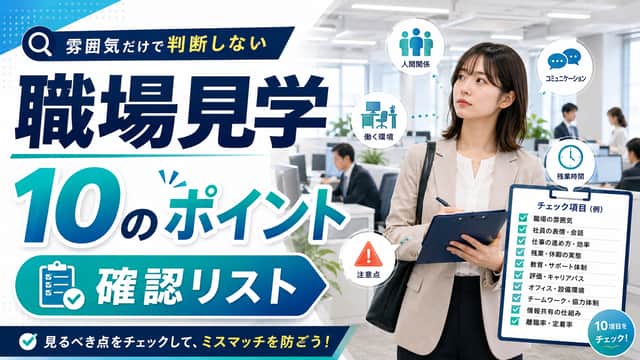
A workplace tour shows you what the employer wants you to see, at a time of its choosing. Judging on atmosphere alone is...
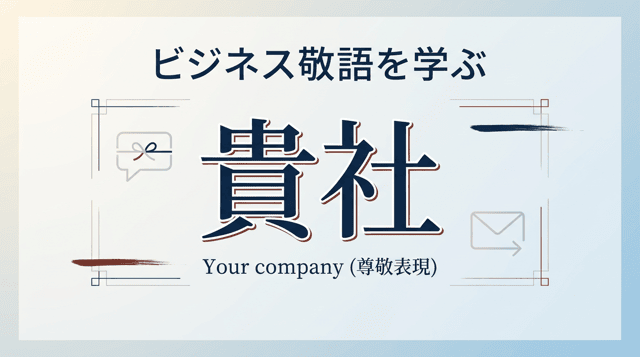
「貴社」(kisha) is the written-language Japanese honorific for another company. Learn the correct reading, common misreading...


