
Job Search Preparation & Interview Tips
Practical how-tos for every stage of the job-search process—from self-analysis and resume writing to interview techniques, aptitude tests, and follow-up etiquette. A comprehensive guide to help you face each screening round with confidence.
Showing 1–18 of 82 posts
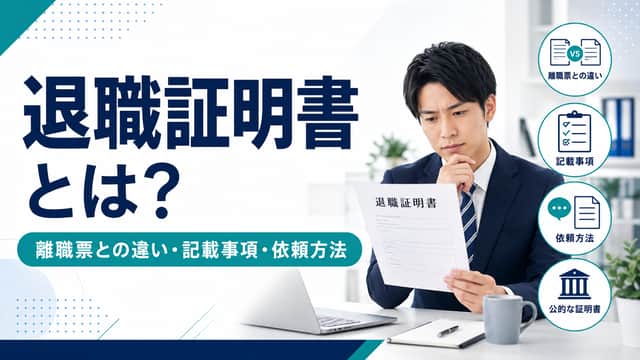
Certificate of Resignation in Japan: How It Differs From the Separation Notice and How to Request One
A certificate of resignation in Japan must be issued by your employer on request, and is distinct from the separation no...
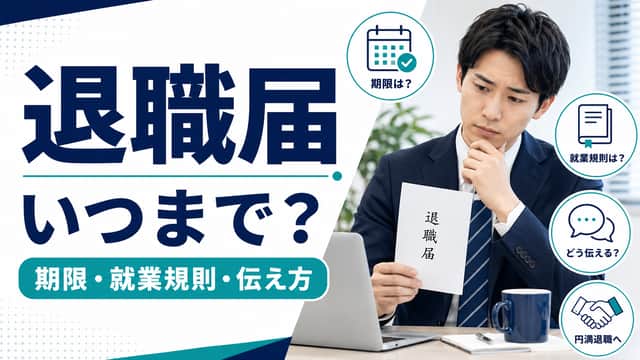
When Must You Submit Your Resignation in Japan? Statutory Deadlines, Work Rules and Timing
Under Japanese civil law, employment with no fixed term ends two weeks after you give notice, regardless of whether you ...
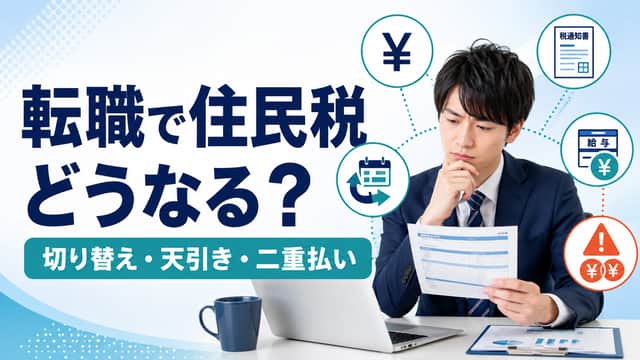
Resident Tax When Changing Jobs in Japan: Switching Collection, Deductions and Apparent Double Payments
Japanese resident tax is charged on the previous year's income and deducted from June to May. Leaving between January an...

What Is a Career Path? Meaning, How It Differs From a Career Plan, and How to Map Your Own
A career path is the route of professional experience leading to the role you want, distinct from a career plan, which i...

Ten Things to Look For on a Workplace Tour: Beyond "The Atmosphere Seemed Nice"
A workplace tour shows you what the employer wants you to see, at a time of its choosing. Judging on atmosphere alone is...

How to Land a Full-Remote Job in Japan: Process and Pre-Offer Checks
How the hiring process works for full-remote roles in Japan: the three things employers worry about, showing remote suit...

How to Choose a Job Site: Finding Permanent Positions in Japan
How to choose a job site when you want permanent employment: the five service types (job boards, agencies, scout platfor...

Interview Self-Introduction Examples | 1-Minute and 3-Minute Scripts, Delivery Tips, and NG Examples
A collection of interview self-introduction examples by length: 30 seconds, 1 minute, and 3 minutes. Covers the basic st...
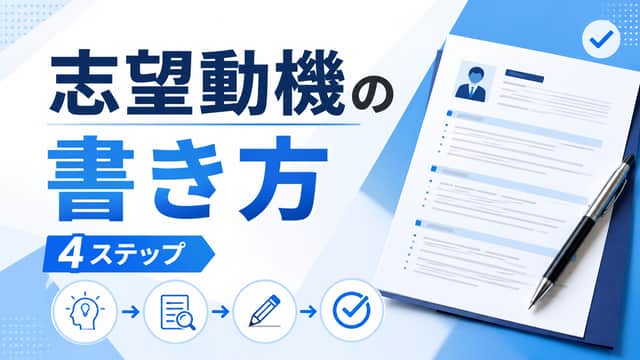
How to Write a Motivation Statement That Resonates: Structural Template and Tips for Crafting It
A motivation statement that resonates isn't a matter of talent—it comes down to structure. We explain how to write one: ...
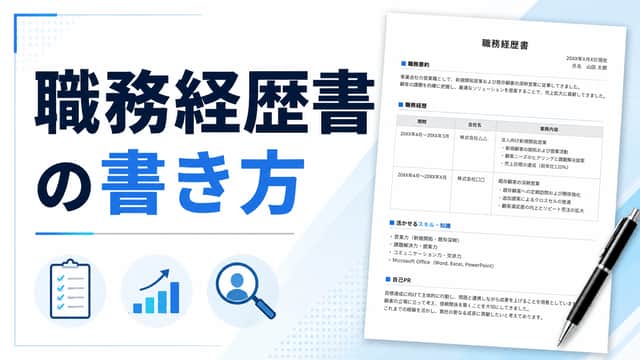
How to Write a Work History Resume (Shokumu-keirekisho): Job-Specific Samples and Crafting Your Self-PR
A clear, example-filled guide to writing a Japanese work history resume (shokumu-keirekisho). Covers the one-to-two A4 p...
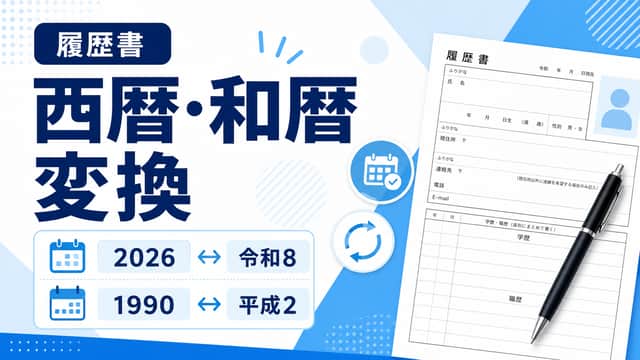
Western/Japanese Calendar Conversion Chart: Reiwa & Heisei Calculation for Resumes
A chart and calculation method for converting between the Western and Japanese calendars (Reiwa, Heisei, Showa). Reiwa i...
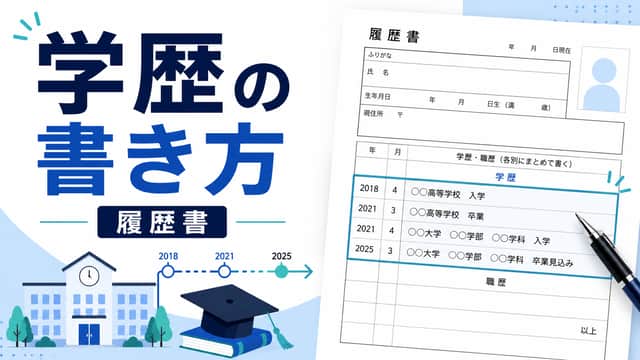
How to Correctly Write Your Education History on a Resume (with Enrollment/Graduation Year Chart)
How to correctly write the education section of a Japanese resume, with worked examples. Covers basic rules—unifying the...
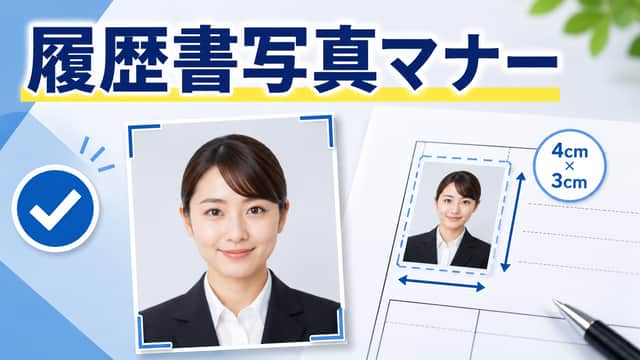
Resume Photo Etiquette — Complete Guide: Size, Attire, How to Take & Attach
A complete guide to Japanese resume photo etiquette. The standard size is 40mm tall × 30mm wide and a clean suit is the ...

Is "Shōchi Itashimashita" Correct Keigo? Meaning, Usage, and Alternatives Explained
"Shōchi itashimashita" (承知いたしました) is correct Japanese business keigo. This guide explains its meaning and makeup, why it...
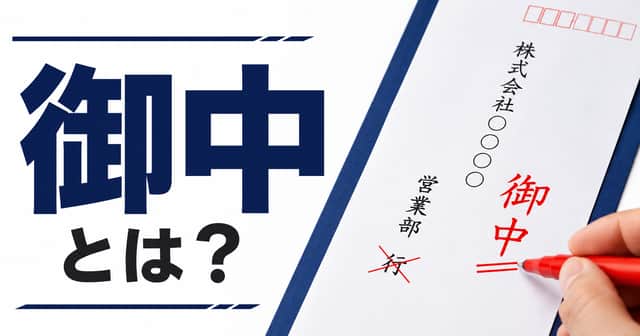
How to Use \"Onchu\" Correctly: Differences From Sama and Gyo, and Writing It on an Envelope
A clear guide to the Japanese honorific "onchu" (御中). Covers the difference from sama (for individuals) and reply-envelo...

What Is an Assessment? Meaning, Types, and Business Applications
A clear explanation of what assessment means and where it comes from. Covers how it differs from evaluation, the main ty...

What Is a Task? Meaning, Business Usage, and Tips for Task Management
A clear explanation of what a task means, its origin, and how it differs from a to-do, schedule, and project. Covers bus...
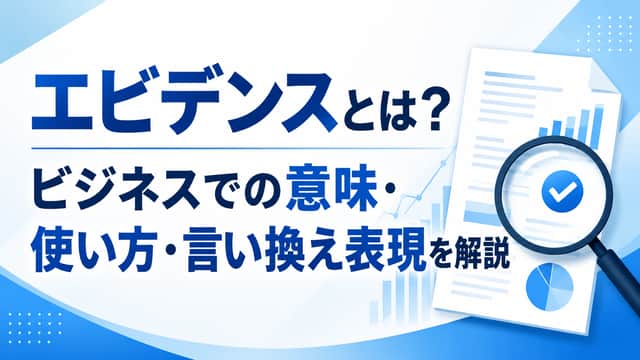
What Is "Evidence"? Meaning, Usage, and Alternative Expressions in Business
The meaning of evidence explained—from its origin to its two uses in business, differences across IT, medical, and finan...