Trial Employment: The Complete Guide \u2014 How It Works, Companies Offering It, Adult Career Experience Services & 7 Tips for Success

Published:

Last Updated:

Category: Trial Job

Authors: 与謝秀作

体験入社
Table of Contents

"It turned out to be nothing like I imagined." "The workplace culture just wasn't a fit." Post-hire regret is more common than you'd think — studies show that roughly 30% of mid-career hires leave within three years.

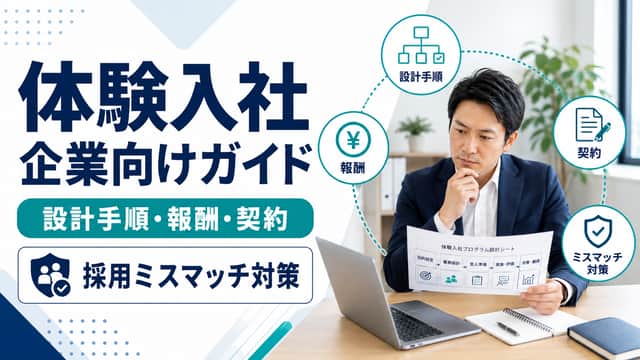
"Trial employment" (taiken nyusha) is gaining attention as a way to prevent such mismatches. This system lets candidates experience real work and workplace culture before making a commitment, benefiting both companies and job seekers.

This article covers everything about trial employment: the basic framework, a list of companies using the system, adult career experience services, and practical tips for making the most of the opportunity.

What Is Trial Employment? Understanding the Basics

Trial employment is a system where job candidates work at a company for a set period (from one day to several months) to experience the actual work and company culture firsthand. It is typically implemented as part of the hiring process, often between the second interview and the final interview.

During the trial, candidates join their prospective team and work on tasks similar to actual duties. This includes attending team meetings, having lunch with employees, and tackling real assignments — immersing themselves in the genuine work environment.

Duration and Compensation

The duration varies by company, ranging from half-day to full-day short-term formats to week-long or multi-month programs. The most common format is a single day, conducted after the second interview, with a final interview following on the same day.

Regarding compensation, some companies pay a prorated daily amount based on the expected salary, others cover only transportation costs, and some offer no payment at all. However, when candidates perform actual work under the company's direction, labor law may require wage payment.

How It Differs from Internships and Probation Periods

Trial employment is often confused with internships and probation periods. Here's how they differ:

Internships primarily target students and aim to deepen industry understanding through simulated business cases and training programs. Trial employment, by contrast, is designed for working professionals considering a career change and involves real-world tasks.

Probation periods begin after an employment contract has been signed, while trial employment takes place before any contract exists. During probation, you are a formal employee with full salary and benefits.

Benefits for Job Seekers

Trial employment offers significant advantages for job seekers as a form of adult career experience that helps resolve pre-transition anxieties.

Experience the Real Work Environment Firsthand

Job listings and interviews can only reveal so much. Trial employment lets you experience the communication style between colleagues, office atmosphere, actual overtime patterns, and how people spend their breaks — the everyday realities you'll face after joining.

Test Your Skills and Fit in a Real Setting

Since you'll be working on tasks similar to actual duties, you can gauge whether your skills are a match. Even if you're trying a new field, the hands-on experience helps you assess your aptitude before committing.

Check Chemistry with Future Colleagues

You'll interact directly with team members and managers you'd actually be working with. Shared lunches and casual conversations let you sense people's personalities and values — crucial factors that no interview can reveal.

Benefits for Companies

Trial employment delivers major advantages for hiring companies as well.

Evaluate Skills That Resumes and Interviews Can't Show

Resumes and interviews alone can't fully capture a candidate's practical abilities or communication style. Trial employment reveals their approach to tasks, problem-solving skills, and how they collaborate with the team.

Reduce Early Turnover

Employees who complete a trial before joining have already experienced and accepted the work environment, making post-hire mismatches less likely. This leads to lower early turnover rates and significant savings in recruitment costs.

Involve Frontline Teams in Hiring Decisions

Trial employment lets team members interact directly with candidates, incorporating frontline perspectives into hiring decisions. This goes beyond HR assessments to ensure the people who'll actually work together have a say.

Companies with Trial Employment Programs

Here are some notable companies that have implemented trial employment programs. Industries and formats vary, so explore those that match your interests.

Chatwork Inc.

Known for its business chat tool, Chatwork has offered trial employment since its founding. The one-day program takes place between the second and final interviews, where candidates work alongside team members, attend meetings, and experience the company's daily rhythm.

Token Corporation

This major real estate company offers up to two-day trial employment as part of its mid-career hiring process. Candidates shadow sales activities and experience office operations, gaining insight into how work is conducted and how client relationships are managed.

en Japan Inc.

The company behind the en Tenshoku job site runs a program called "Taikan Tenshoku" (Experience-Based Career Change), where candidates experience actual work to verify post-hire compatibility and reduce mismatch risk.

Retty Inc.

The gourmet platform company continues its trial employment program even after surpassing 100 employees, maintaining its commitment to preventing candidate mismatches as the organization grows.

Globee Inc.

This education startup offers two formats: a one-day in-office trial for career-change candidates and a remote trial for those exploring opportunities. The flexibility accommodates both serious applicants and those still weighing their options.

Sonic Garden

Known for its "no-delivery" contract development model, Sonic Garden integrates trial employment into its engineering hiring process. In an era where freelancing is increasingly common, the program helps both sides verify whether a permanent arrangement is the right fit.

Career Experience Services for Adults

Beyond company-specific trial programs, a growing number of services let adults explore different careers through short-term experiences. These are ideal for anyone questioning their current path or looking to broaden their horizons.

Shigoto Ryokosha (Job Travel Agency)

Founded in 2011, this pioneer in adult career experiences offers over 100 different programs. Most are half-day to full-day sessions covering diverse fields, from dolphin trainers to craft beer brewers, making career exploration accessible and enjoyable.

Kokoromiru

With the tagline "experience any workplace for a day," this service provides diverse adult career experience programs primarily in the Kanto region. Sessions range from one hour to half a day, making them manageable even for busy professionals.

Sankaku (by Recruit)

Operated by Recruit, this platform matches working professionals with internship-like experiences at other companies. You can test your skills and explore new environments without leaving your current job — no need to commit to a full career change.

PROJECT INDEX

This internship directory isn't just for students — it also features opportunities for working professionals. Programs focus on regional businesses and organizations tackling local challenges, including some live-in positions for immersive experiences.

Can You Be Rejected After Trial Employment?

The short answer: yes, if the trial is part of the screening process. Trial employment is not just a casual experience — for companies, it's an important evaluation stage.

Companies evaluate your approach to tasks, communication skills, team compatibility, and practical abilities. Even if you impressed in interviews, a poor performance during the trial could change the outcome.

However, when trial employment occurs after an offer has been extended, a poor evaluation generally cannot serve as grounds for rescinding the offer. In this case, it functions purely as a mutual understanding opportunity.

Importantly, completing a trial doesn't obligate you to accept the position. If the experience reveals it's not the right fit, candidates are free to withdraw from the process.

7 Tips for Making the Most of Trial Employment

Here's how to maximize your trial employment experience:

1. Create a Checklist of Things to Verify

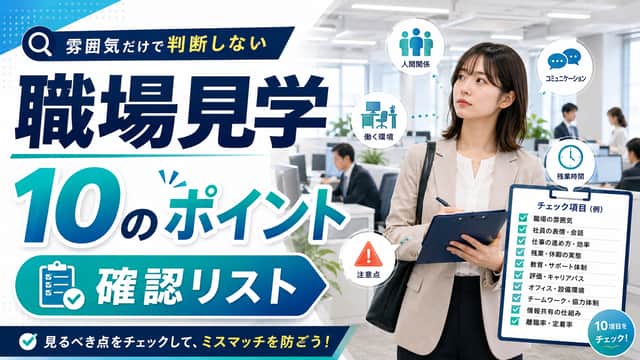
Make a list of what you want to confirm beforehand: actual job duties, team dynamics, overtime realities, evaluation systems, career paths, and anything else that matters to you. Time is limited, so having priorities ensures you get the information you need.

2. Communicate Proactively

Don't be shy — actively engage with employees. Lunch and break times are golden opportunities for candid conversations. You'll learn employees' honest views on working there, including both the positives and the challenges.

3. Remember You're Being Evaluated

While trial employment is about mutual understanding, the company is also assessing you. Your attitude toward work, the quality of your questions, note-taking habits, and overall professionalism all leave impressions.

4. Observe the Workplace with All Your Senses

Look beyond the work itself. Pay attention to how employees talk to each other, how tidy desks are, how meetings are conducted, and the dynamic between managers and team members. These everyday details reveal the true workplace culture.

5. Give Your Best Effort on Assigned Tasks

Put your full effort into any tasks or assignments you receive. Perfect results aren't expected, but your approach to problems, how you handle unknowns, and your willingness to ask questions all speak volumes about your work ethic.

6. Confirm Compensation and Contract Terms Beforehand

Before participating, clarify whether compensation is provided, whether transportation costs are covered, whether an NDA is required, and what insurance arrangements exist for accidents or injuries. This is especially important for multi-day trials.

7. Reflect Immediately After the Experience

Write down your observations and impressions as soon as the trial ends. Was the work what you expected? How were the interpersonal dynamics? Could you see yourself leveraging your strengths there? What concerns remain? Fresh notes are far more reliable than fading memories.

Key Considerations for Companies Implementing Trial Employment

For companies looking to introduce or improve their trial employment programs:

Coordinate Thoroughly with the Receiving Team

An unfamiliar candidate will suddenly be joining the workplace. Without proper advance coordination, the team may be caught off guard, creating confusion that reflects poorly on the company. Schedule, responsibilities, and candidate background should all be shared in advance.

Design Programs That Match Your Hiring Goals

Tailor the trial to your priorities. If cultural fit is the focus, allocate more time for team interactions and group meals. If technical skills matter most, design practical assignments that showcase relevant capabilities.

When candidates perform actual work under company direction, they may legally qualify as "workers" under labor standards law, triggering wage payment obligations. Also, NDA agreements should be prepared to protect confidential information, and insurance coverage for workplace accidents should be arranged.

Frequently Asked Questions

Is trial employment paid?

It depends on the company. Some pay a prorated daily salary, some cover only transportation, and some offer no compensation. However, if you perform actual work under the company's direction, labor law may require payment.

Can I decline after trial employment?

Yes. Trial employment doesn't obligate you to accept a position. If you determine it's not the right fit, you can withdraw. Just be sure to communicate your decision promptly and politely.

What should I wear?

Follow any dress code specified by the company. When there's no guidance, business casual is your safest choice. Even at casual companies like tech startups, maintain a clean, professional appearance on your first day.

Can I participate while still employed?

Many companies accommodate employed candidates with flexible scheduling. Taking a single day of paid leave is the most common approach. Some companies also offer weekend or remote trial options for maximum accessibility.

Are there career experience opportunities for adults?

Absolutely. Beyond company-specific trial employment, services like Shigoto Ryokosha and Kokoromiru offer short programs (one hour to one day) across diverse professions. Sankaku by Recruit and PROJECT INDEX provide longer-term engagement opportunities as well.

Conclusion: Eliminate Post-Hire Mismatch Through Trial Employment

Trial employment is a powerful tool for both companies and job seekers to prevent post-hire disappointment. By revealing the "real workplace" that job listings and interviews can't convey, it enables more confident career decisions.

The number of companies adopting trial employment grows each year, spanning industries from Chatwork and Token Corporation to en Japan and Retty. Adult career experience services like Shigoto Ryokosha and Sankaku make it possible to explore new fields without committing to a full transition.

A career change is one of life's biggest decisions. Use trial employment and career experiences to find the workplace that truly fits you, and make a choice you won't regret.

Share

Related Articles