
Overcoming Job-Change Anxiety
Addressing the anxieties and challenges that come with changing jobs. Covers common fears such as post-move regret, timing doubts, and skill-gap worries, with concrete solutions and advice from career experts and experienced job changers.
Showing 1–18 of 32 posts

Returning to Work After Leave in Japan: The Process, Meetings and Phased Return
Returning to work after a leave of absence in Japan is not settled by your treating physician's certificate alone: the t...

How to Write a Leave of Absence Request in Japan: Template, Documents and Timing
A leave of absence request in Japan has no statutory format and works with four items: start date and expected duration,...

Paying Social Insurance During a Leave of Absence in Japan: No Exemption, and How Collection Works
Social insurance contributions in Japan keep accruing during a leave of absence even when your pay is zero, and unlike m...

Do You Get Paid During a Leave of Absence in Japan? Wages, Bonuses and Absence Deductions Explained
Wages during a leave of absence in Japan are unpaid as a rule under the no work, no pay principle, but the definitive an...

Sick Leave Pay in Japan: Conditions, Amount and How to Claim the Injury and Sickness Allowance
Income during a leave of absence in Japan comes from the injury and sickness allowance paid by your health insurer, not ...

Annual Paid Leave in Japan: Accrual, Carry-Over, Pay and What Happens When You Resign
Annual paid leave in Japan accrues automatically after six months of continuous service with at least eighty percent att...

Leave of Absence in Japan: Length, Pay, Procedure and What It Means for Your Career
Leave of absence (kyushoku) in Japan lets you stay employed while released from the duty to work, but it is not a statut...
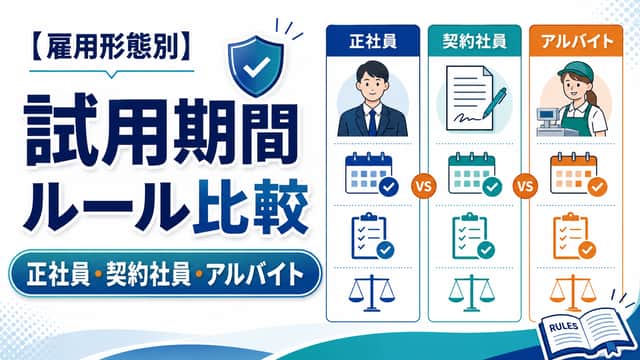
Probationary Periods by Employment Type: Permanent, Fixed-Term and Part-Time Compared
The legal rules governing probationary periods in Japan, covering minimum wage, social insurance, paid leave and dismiss...

Refused Confirmation After Your Probationary Period? What to Do and How to Avoid It
A refusal to confirm employment after a probationary period is legally a dismissal in Japan, requiring objectively reaso...

Told Your Probationary Period Is Being Extended? How to Judge If It Is Lawful and What to Confirm
Extending a probationary period in Japan requires both a supporting provision in the work rules and a reasonable ground....
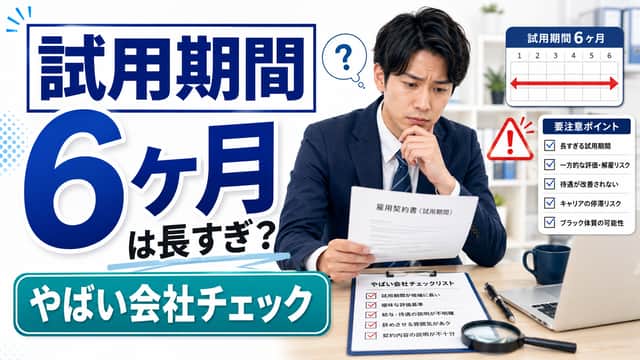
Is a Six-Month Probationary Period Too Long? A Checklist for Spotting a Problem Employer
A six-month probationary period is lawful in Japan and not unusual. The real risk is not the length but the substance: n...
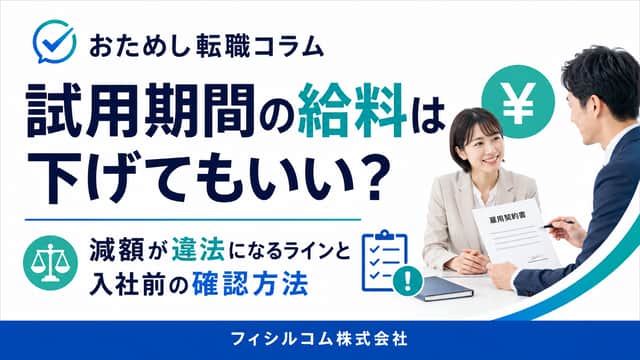
Can Employers Cut Your Pay During a Probationary Period? Legal Limits and What to Check Before You Join
Setting lower pay during a probationary period is not illegal in Japan by itself, but it is only lawful if disclosed in ...
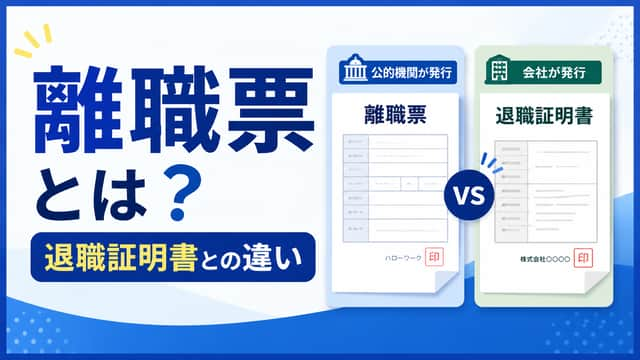
What Is a Rishokuhyo (Employment Separation Certificate)? Issuance Timing and the Difference From a Certificate of Resignation
The rishokuhyo (employment separation certificate) is an official document required to apply for unemployment benefits. ...
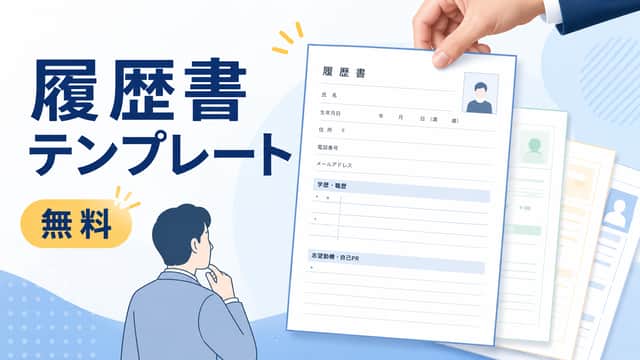
Free Japanese Resume (Rirekisho) Templates to Download: Curated Formats for Job Changers
A curated selection of resume (rirekisho) templates for job changers. We explain formats by use—including the MHLW stand...

What Is the Average Starting Salary in Japan? University, High School, and Industry Benchmarks
The average starting salary is about 248,000 yen for university graduates, about 198,000 yen for high school graduates, ...
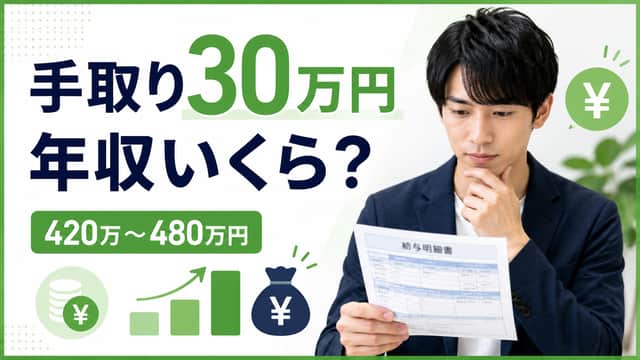
Take-Home Pay of 300,000 Yen a Month: What Annual Income Is That? Gross, Living Standard, and Taxes
A monthly take-home of 300,000 yen corresponds to a gross annual income of roughly 4.2–4.8 million yen (without bonuses)...

What Is Annual Income? Take-Home, Gross, and Net Income Explained
A clear explanation of what annual income is and how it differs from take-home, gross, and income (shotoku). Gross is th...

How Much Is the Going Rate for Retirement Pay? Calculation, Taxes, and Payout Options Explained
A thorough guide to the going rate, calculation methods, taxes, and payout options for retirement pay. Covers the FY2023...